Trees are an important part of a healthy landscape, offering environmental benefits and improving the appearance of outdoor spaces. From providing natural shade to supporting birds and other wildlife, well-maintained trees contribute to a more comfortable and attractive environment. However, trees cannot always maintain their health without proper attention. Regular maintenance, suitable growing conditions, and early problem detection are essential for keeping them strong throughout the year.
A good tree care routine begins with understanding the specific needs of each tree. Different species require different amounts of sunlight, water, nutrients, and growing space. Some trees adapt well to dry conditions, while others need consistently moist soil. Knowing these requirements makes it easier to create an appropriate maintenance schedule. Property owners should also consider the mature height and width of trees when planning new plantings to prevent overcrowding and future structural problems.
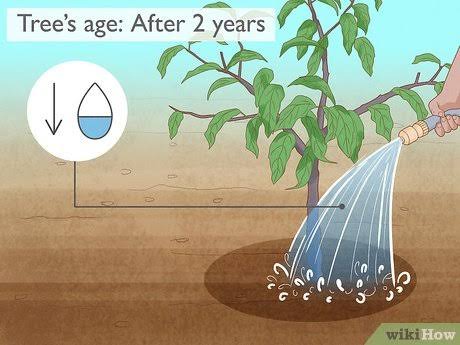
Water management is one of the most important factors in successful tree maintenance. Although established trees can often tolerate short periods without additional watering, younger trees need consistent moisture while developing their root systems. Deep watering encourages roots to grow downward and access moisture from deeper soil layers. During hot summers, checking the condition of the soil can help determine whether additional watering is necessary. Proper drainage is equally important because standing water can damage roots and encourage fungal diseases.
Healthy soil provides the foundation for strong tree development. Soil contains essential nutrients that support root growth, leaf production, and overall plant health. When soil becomes compacted, roots may struggle to receive enough oxygen and water. Adding organic matter and applying an appropriate layer of mulch can improve soil conditions over time. Mulching also helps reduce weed growth and protects roots from sudden temperature changes. Care should be taken to keep mulch away from direct contact with the tree trunk.
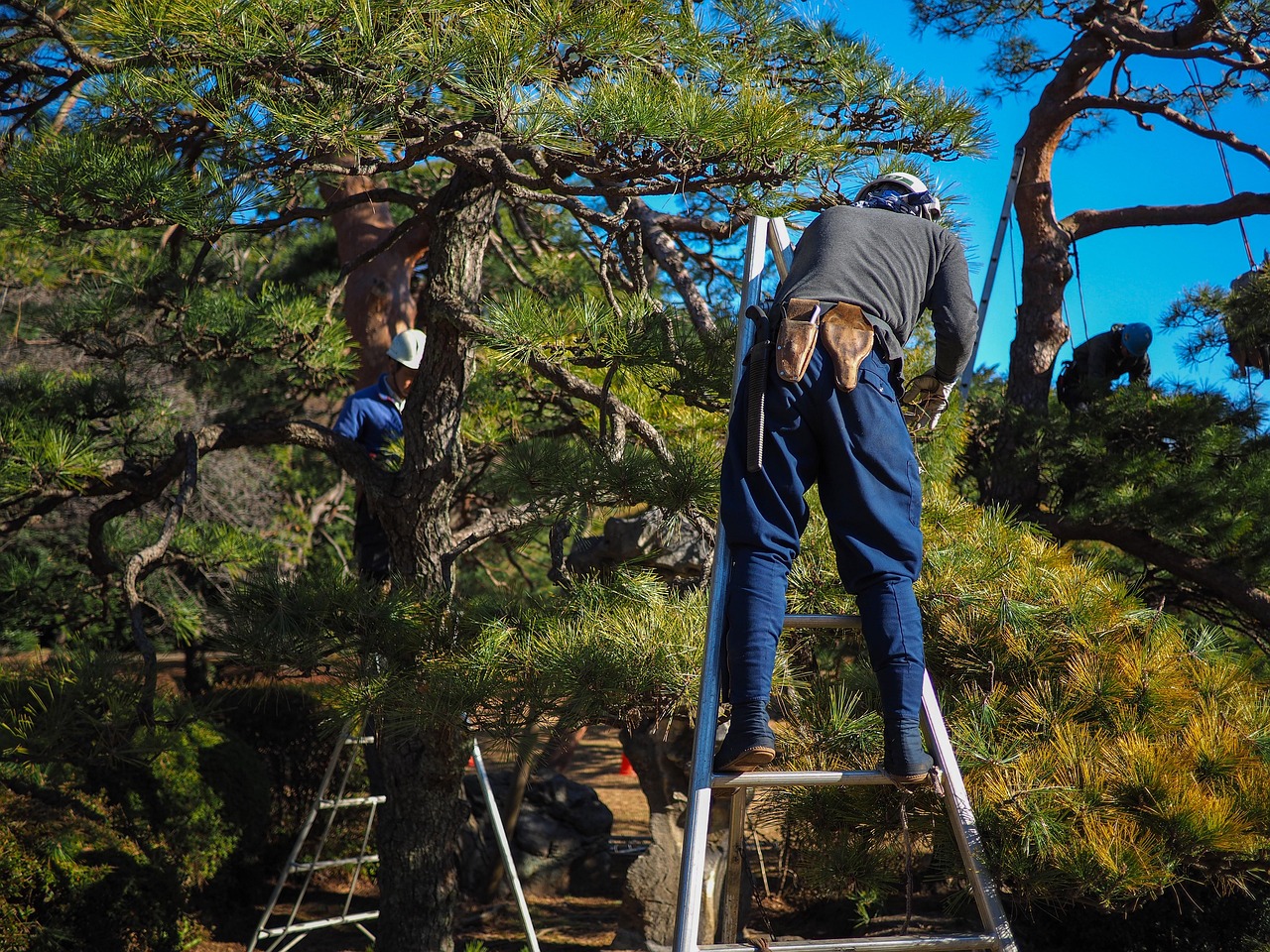
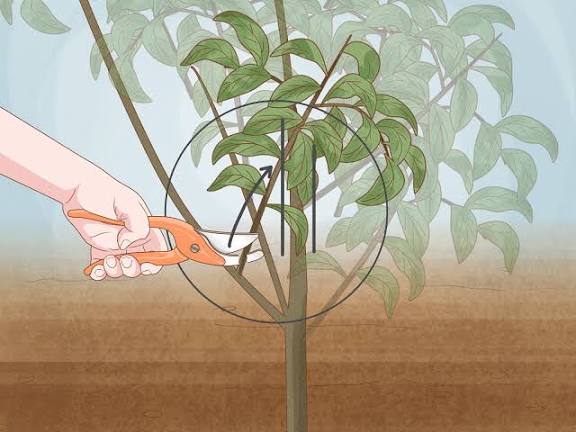
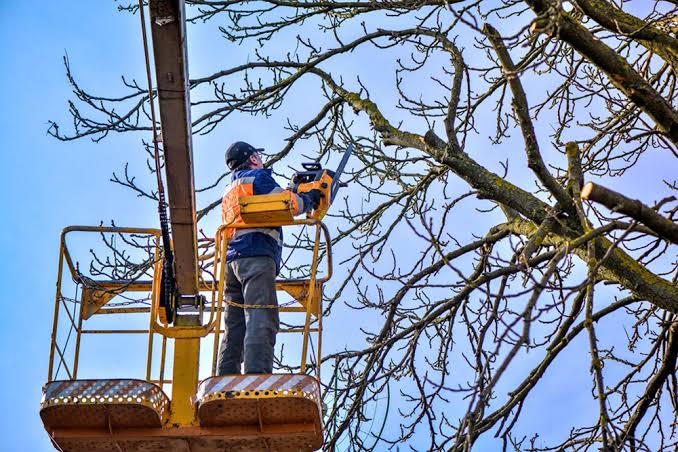
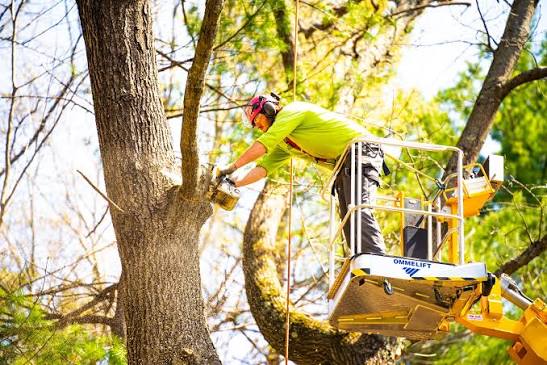
Pruning is another valuable practice that supports healthy growth and improves safety. Trees naturally develop branches that may become damaged, diseased, or poorly positioned. Removing these branches at the appropriate time can reduce potential hazards and improve the overall structure of the canopy. Proper pruning also allows sunlight and air to circulate more effectively. However, unnecessary cutting should be avoided because trees need their leaves to produce energy. Large branches and high-risk pruning work should be left to trained professionals.
Monitoring trees for pests and diseases can prevent minor concerns from becoming serious problems. Common warning signs include yellowing leaves, unusual spots, holes in the bark, dying branches, and changes in normal growth patterns. Some insects feed on leaves, while others damage the inner bark or root system. Fungal infections may also develop when environmental conditions favor their growth. Regular inspections help identify these problems early, making it easier to choose suitable treatment options.
Seasonal changes create different challenges for tree health. Spring is a useful time to examine new growth and identify branches damaged during winter. Summer maintenance generally focuses on monitoring moisture levels and protecting trees from excessive heat. During autumn, fallen leaves and damaged branches can be addressed while preparing the landscape for colder weather. Winter inspections can help reveal structural weaknesses when trees have fewer leaves. Adjusting maintenance activities according to the season supports healthier development.
Protecting tree roots is another important responsibility that property owners sometimes overlook. Roots can extend far beyond the visible trunk area, making them vulnerable to construction, excavation, and heavy equipment. Parking vehicles over root zones or changing ground levels can also interfere with normal growth. Keeping these areas protected helps trees maintain stability and access essential nutrients.
Professional tree care services are particularly useful when dealing with mature trees, storm damage, and complicated maintenance requirements. Experienced arborists can assess tree health, identify structural risks, recommend appropriate treatments, and perform specialized pruning. Their expertise can help prevent accidents and protect nearby buildings, vehicles, and outdoor spaces.
Ultimately, successful tree care depends on regular attention rather than occasional maintenance. Providing suitable water, maintaining healthy soil, pruning responsibly, and monitoring for diseases can significantly improve the condition of trees. By following consistent care practices and seeking professional assistance when necessary, property owners can maintain beautiful landscapes and preserve valuable trees for many years.