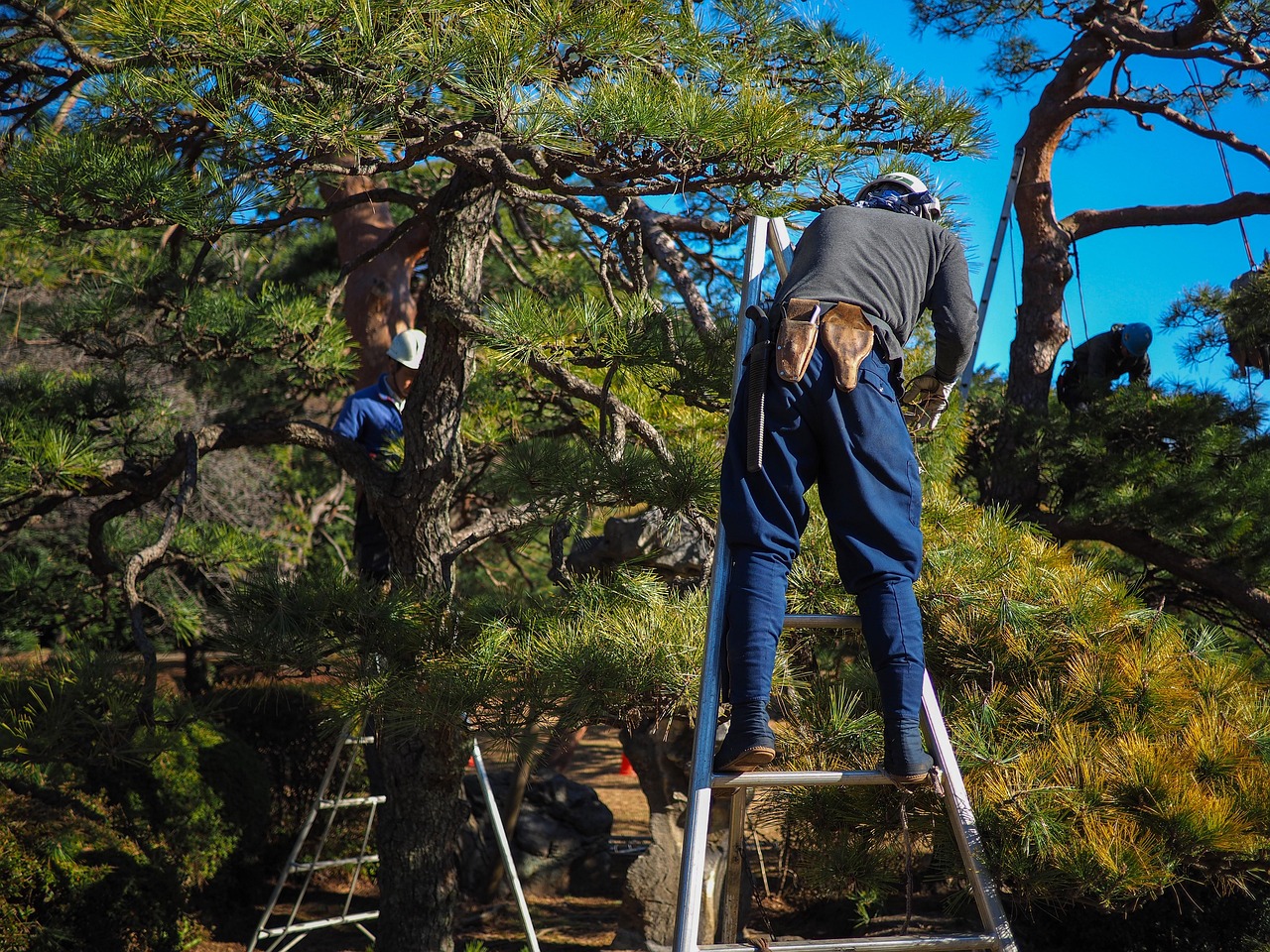
Trees are a valuable part of any property, bringing natural beauty, shade, and environmental benefits to outdoor spaces. A healthy tree can improve the appearance of a garden, increase property appeal, and provide a comfortable environment for people and wildlife. However, maintaining strong trees requires more than occasional watering. Proper care throughout the year helps prevent damage, supports healthy growth, and reduces the likelihood of expensive maintenance problems.
One of the first considerations in tree maintenance is understanding the growing environment. Every tree species has specific requirements related to sunlight, soil type, drainage, and available space. Planting a tree in an unsuitable location can lead to poor development and long-term health issues. Before selecting a tree, property owners should research its expected size and environmental preferences. Choosing species that naturally adapt to local conditions often results in stronger growth and less maintenance.
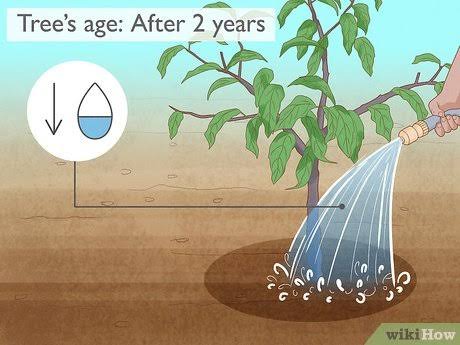
Watering practices have a direct impact on tree health. Young trees need regular moisture while their roots become established, whereas mature trees may require additional watering during extended dry periods. Applying water slowly around the root zone allows moisture to reach deeper soil layers. This encourages stronger root development and improves the tree’s ability to withstand changing weather conditions. At the same time, excessive watering should be avoided because poorly drained soil can reduce oxygen availability around the roots.
Maintaining healthy soil is equally important. Trees depend on soil for nutrients, moisture, and physical support. Compacted ground can prevent roots from spreading naturally and limit access to essential resources. Organic mulch can improve soil conditions while helping retain moisture and control weeds. A suitable mulch layer also protects shallow roots from extreme temperatures. Keeping mulch away from the trunk is necessary to prevent bark deterioration and unwanted moisture buildup.
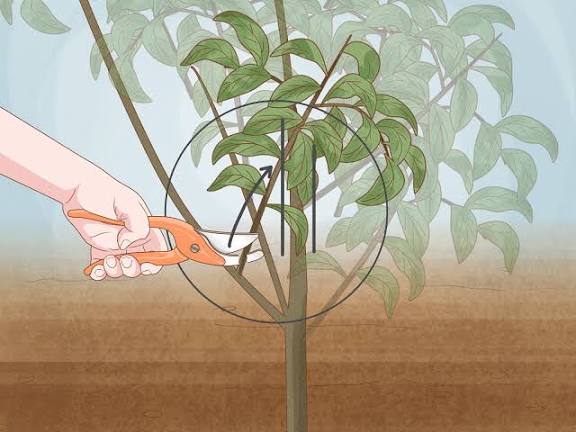
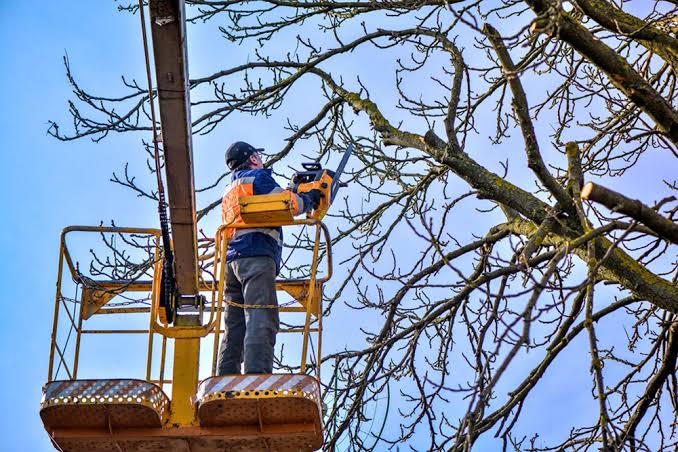
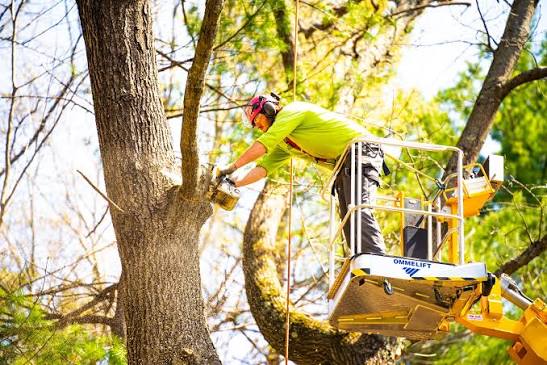
Pruning plays an important role in maintaining a balanced tree structure. Over time, branches may become damaged by storms, disease, insects, or natural aging. Removing dead and broken branches helps reduce safety concerns and prevents certain problems from spreading. Selective pruning can also improve the appearance of a tree and allow better air circulation through its canopy. However, cutting healthy branches unnecessarily can weaken a tree, so pruning should always follow appropriate techniques.
Another important responsibility is checking for signs of pests and diseases. Changes in leaf color, unusual spots, damaged bark, and declining branch growth may indicate that a tree is experiencing stress. Some insects feed on leaves, while others attack the trunk or roots. Fungal diseases can also affect different tree species, particularly when moisture and environmental conditions favor their development. Regular inspections help property owners recognize unusual changes and arrange suitable treatment before damage becomes extensive.