Trees make outdoor environments more attractive, comfortable, and environmentally friendly. They provide shade during warmer months, improve air quality, reduce soil erosion, and create habitats for different forms of wildlife. Whether growing in a small backyard or across a large commercial property, trees require proper maintenance to remain healthy and structurally strong. Developing a consistent tree care routine can help property owners protect their landscapes and avoid preventable problems.
The foundation of good tree maintenance begins with proper planting. Selecting the right species for a particular location can make a significant difference in long-term growth. Some trees need several hours of direct sunlight, while others grow better in partially shaded areas. Soil drainage, available space, and local weather conditions should also influence planting decisions. A tree planted in a suitable environment generally develops stronger roots and requires fewer corrective treatments as it matures.
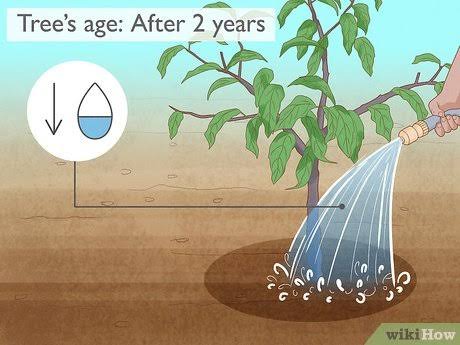
Watering is another essential part of maintaining healthy trees. Newly planted trees need sufficient moisture to establish their root systems, particularly during their first growing seasons. Mature trees may also need additional watering during extended periods of drought. Instead of applying small amounts of water frequently, deep and gradual watering can encourage roots to develop further into the soil. Property owners should monitor soil moisture and avoid overwatering, as constantly saturated conditions can damage roots.
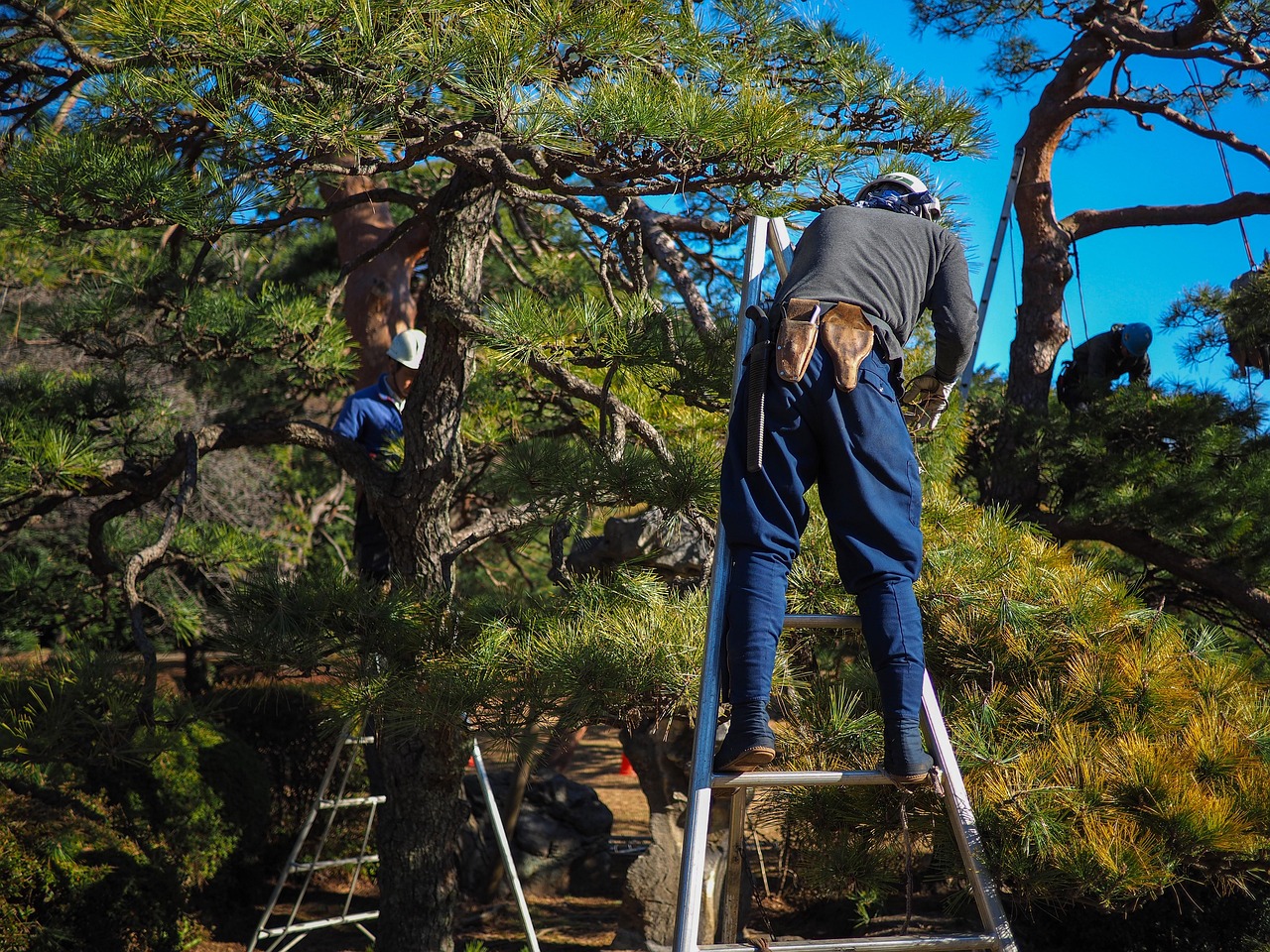
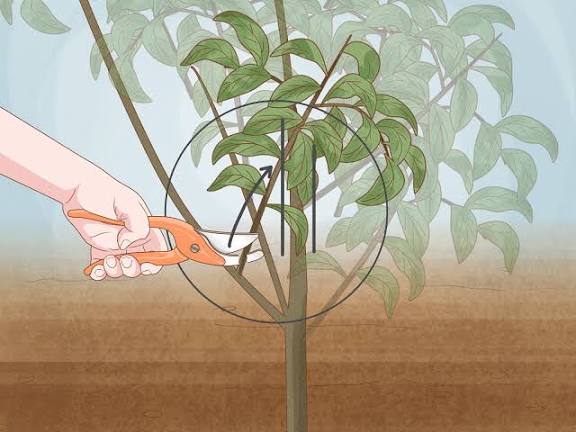
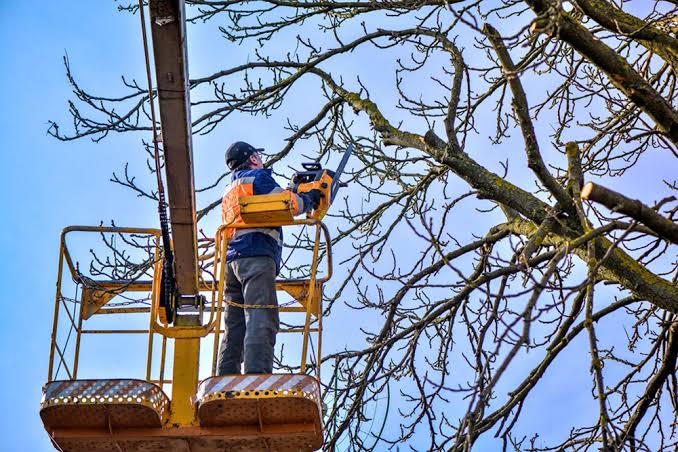
Proper pruning helps trees maintain their natural shape and reduces potential safety concerns. Dead, broken, and diseased branches should be removed when appropriate to prevent further deterioration. Pruning can also improve sunlight penetration and airflow within the canopy. However, every tree has different pruning requirements, and cutting too many healthy branches can interfere with normal growth. Using suitable tools and understanding proper cutting techniques are important for preventing unnecessary injuries to the tree.
Soil management is equally important for long-term tree health. Healthy soil provides the nutrients, oxygen, and moisture that roots need to function properly. When soil becomes heavily compacted, roots may struggle to expand and absorb essential resources. Applying organic mulch around the tree can help maintain moisture levels, moderate soil temperatures, and reduce competition from weeds. Materials such as wood chips and shredded bark are commonly used for this purpose. Mulch should be distributed carefully without covering the trunk or root flare.
Trees should also be inspected regularly for signs of insects and diseases. Unusual leaf discoloration, premature leaf loss, holes in the bark, and dying branches can indicate developing health problems. Some pests weaken trees by feeding on leaves, while others damage internal tissues or roots. Fungal infections may also spread under favorable environmental conditions. Identifying these warning signs early allows property owners to seek appropriate treatment and reduce the risk of more serious damage.
Seasonal maintenance helps trees adapt to changing environmental conditions. During spring, property owners can inspect new growth and identify winter damage. Summer care often involves monitoring soil moisture and protecting young trees from excessive heat. Autumn is a useful period for checking branches and preparing the landscape for colder temperatures. Winter inspections can reveal structural weaknesses that may be difficult to notice when trees have dense foliage. A seasonal approach makes maintenance more organized and effective.
Another important consideration is protecting trees from physical damage. Lawn equipment, construction activities, vehicles, and unnecessary digging can harm trunks and root systems. Even minor injuries can create openings where insects and diseases may enter. Maintaining a safe distance between equipment and tree trunks helps prevent avoidable damage. Property owners should also avoid changing soil levels around established trees without understanding how those changes may affect the roots.
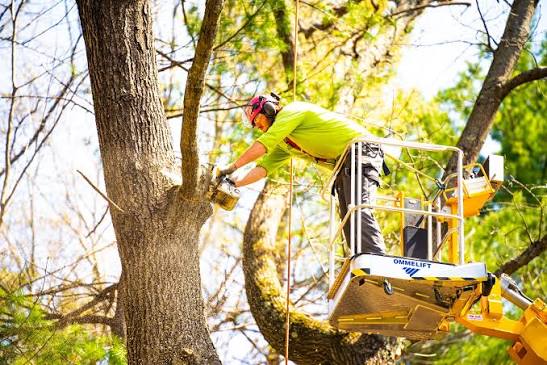
Professional tree care services can provide additional protection when trees require specialized attention. Experienced arborists can identify structural problems, recommend suitable pruning methods, evaluate disease symptoms, and assess potential hazards. Large branches, storm-damaged trees, and work involving power lines should always be handled by appropriately qualified professionals. Their experience and equipment help reduce risks while protecting surrounding property.
Ultimately, maintaining healthy trees requires patience, observation, and consistent effort. Proper planting, appropriate watering, soil improvement, responsible pruning, and regular inspections all contribute to better tree health. By making these practices part of routine property maintenance, homeowners and businesses can enjoy attractive outdoor spaces while preserving their trees for future generations.