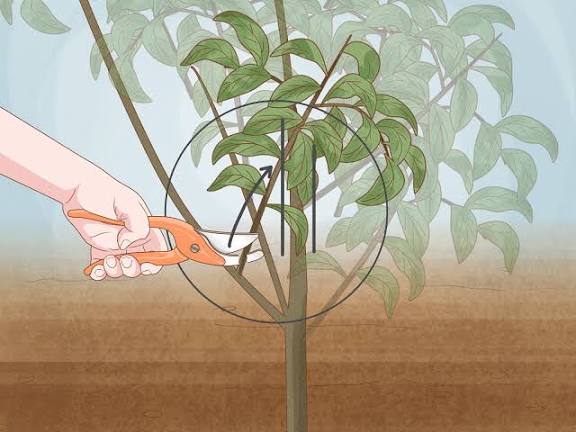
Trees are an important part of our natural world. They make the environment cleaner, provide oxygen, reduce temperatures, and support wildlife. From small garden plants to large forest trees, every tree contributes to maintaining ecological balance. However, trees need proper care to survive and grow well. Understanding basic tree care practices can help individuals protect trees and maintain a healthy environment.
1. Regular Inspection of Trees
Regularly inspecting trees is one of the easiest ways to maintain their health. Check the leaves, branches, trunk, and surrounding soil for signs of damage or disease. Yellow leaves, broken branches, unusual spots, and peeling bark may indicate a problem. Early identification makes it easier to prevent serious damage.
2. Maintaining Proper Water Levels
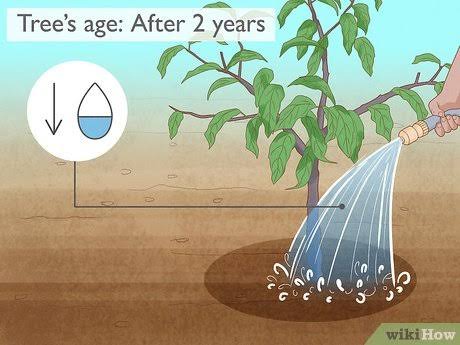
Water is essential for tree growth and survival. Newly planted trees need consistent watering while their roots become established. Older trees may require less frequent watering depending on rainfall and soil conditions. Water should reach the deeper root zone to support strong root development. Avoid overwatering because excessive moisture can cause root problems.
3. Using Mulch for Better Protection
Mulching is a useful technique for protecting tree roots and improving soil conditions. Organic materials such as dry leaves, wood chips, and compost can be spread around the tree. Mulch helps conserve soil moisture, control weeds, and regulate soil temperature. However, it should not be piled directly against the tree trunk.
4. Controlling Weeds and Unwanted Plants
Weeds compete with trees for water, sunlight, and nutrients. Removing unwanted plants around young trees helps reduce competition and supports healthy growth. Weeds should be removed carefully to avoid damaging tree roots. Applying an appropriate layer of organic mulch can also reduce weed growth.
5. Protecting Trees from Extreme Weather
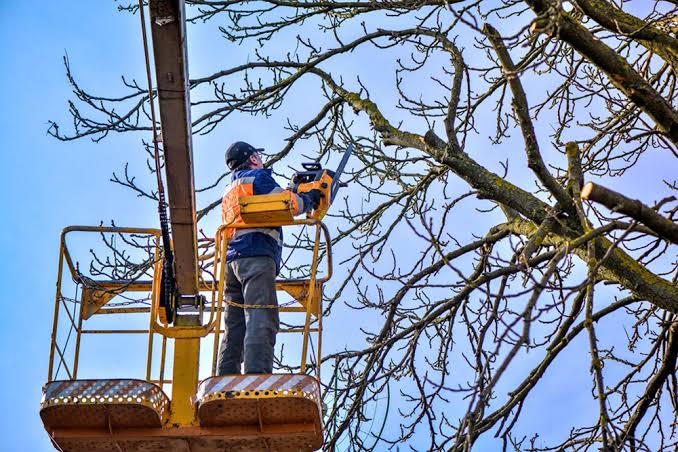
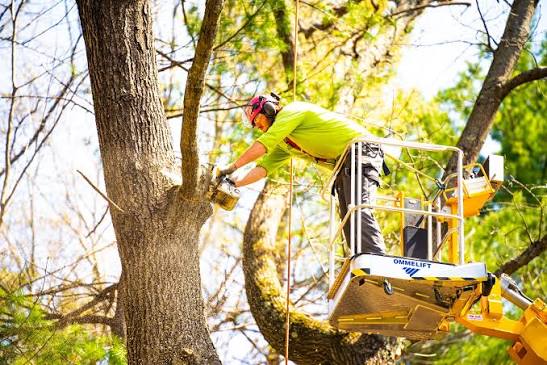
Extreme temperatures, storms, and strong winds can damage trees. During hot weather, adequate watering and mulching help reduce heat stress. Young trees may need temporary support during windy conditions. Damaged branches should be inspected and removed safely when necessary.
6. Encouraging Natural Tree Growth
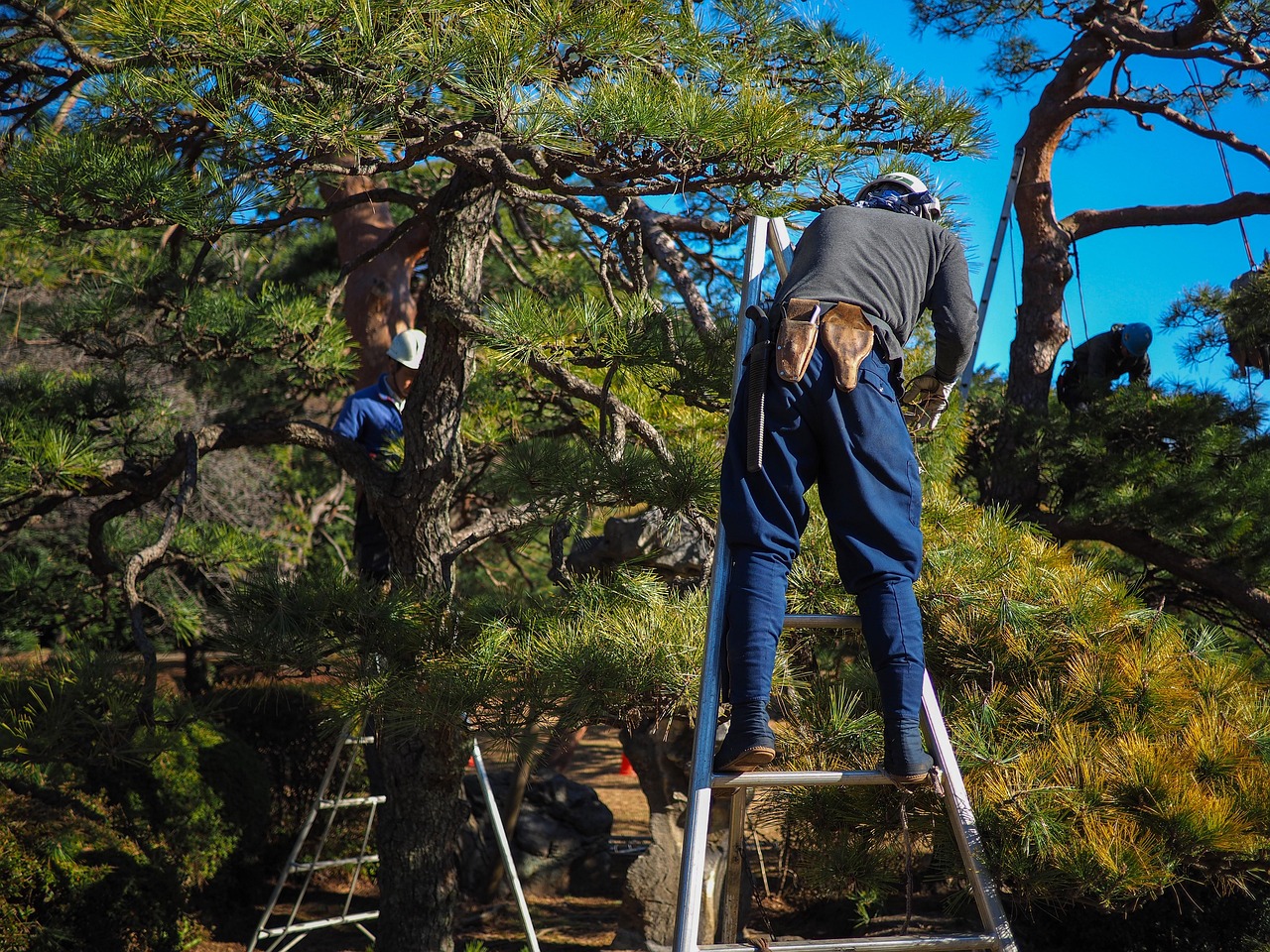
Every tree species has its own growth pattern and environmental requirements. Providing enough sunlight, suitable soil, and sufficient growing space encourages natural development. Avoid unnecessary cutting or excessive pruning. Allowing trees to grow according to their natural structure helps maintain their strength and appearance.
7. Creating Awareness About Tree Care
Environmental education can encourage people to take better care of trees. Schools, communities, and environmental organizations can arrange awareness campaigns and tree-planting activities. Teaching children the importance of trees helps develop responsible habits that can continue throughout their lives.
Conclusion
Healthy trees are essential for a cleaner environment and a better quality of life. Regular inspection, proper watering, mulching, weed control, and protection from extreme weather are important tree care practices. Everyone has a role in protecting nature by maintaining existing trees and planting new ones. Small efforts made today can create a greener and healthier planet for tomorrow.