Trees play an essential role in maintaining a healthy and attractive environment. They provide shade, improve air quality, support wildlife, and add natural beauty to residential and commercial properties. However, keeping trees healthy requires regular attention and proper maintenance. Tree care is not simply about watering plants or removing unwanted branches. It involves understanding the needs of different tree species, monitoring their growth, protecting them from diseases, and creating suitable conditions for long-term development.
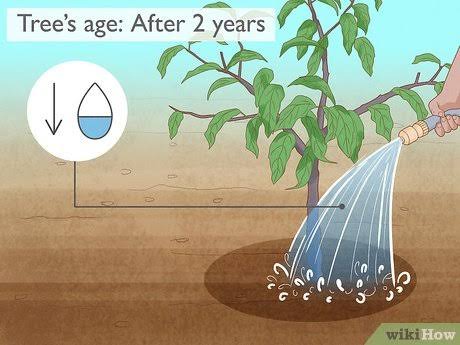
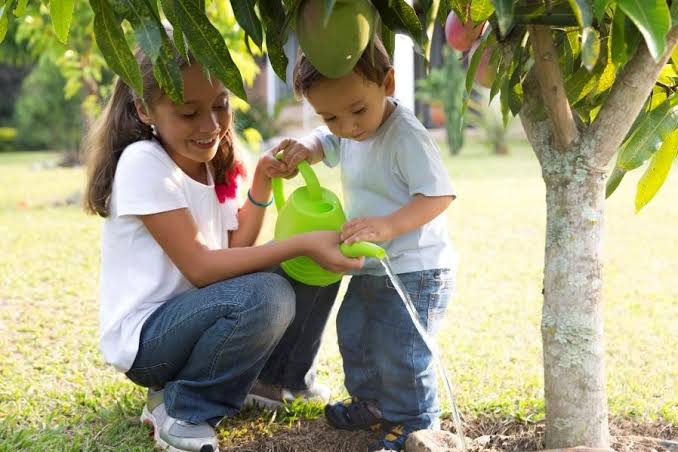
One of the most important aspects of tree care is proper watering. Young trees generally require more frequent watering than established ones because their root systems are still developing. During hot and dry weather, insufficient moisture can cause leaves to wilt, branches to weaken, and overall growth to slow down. Deep watering is often more beneficial than frequent light watering because it encourages roots to grow further into the soil. Property owners should also consider soil conditions and local weather before creating a watering routine.
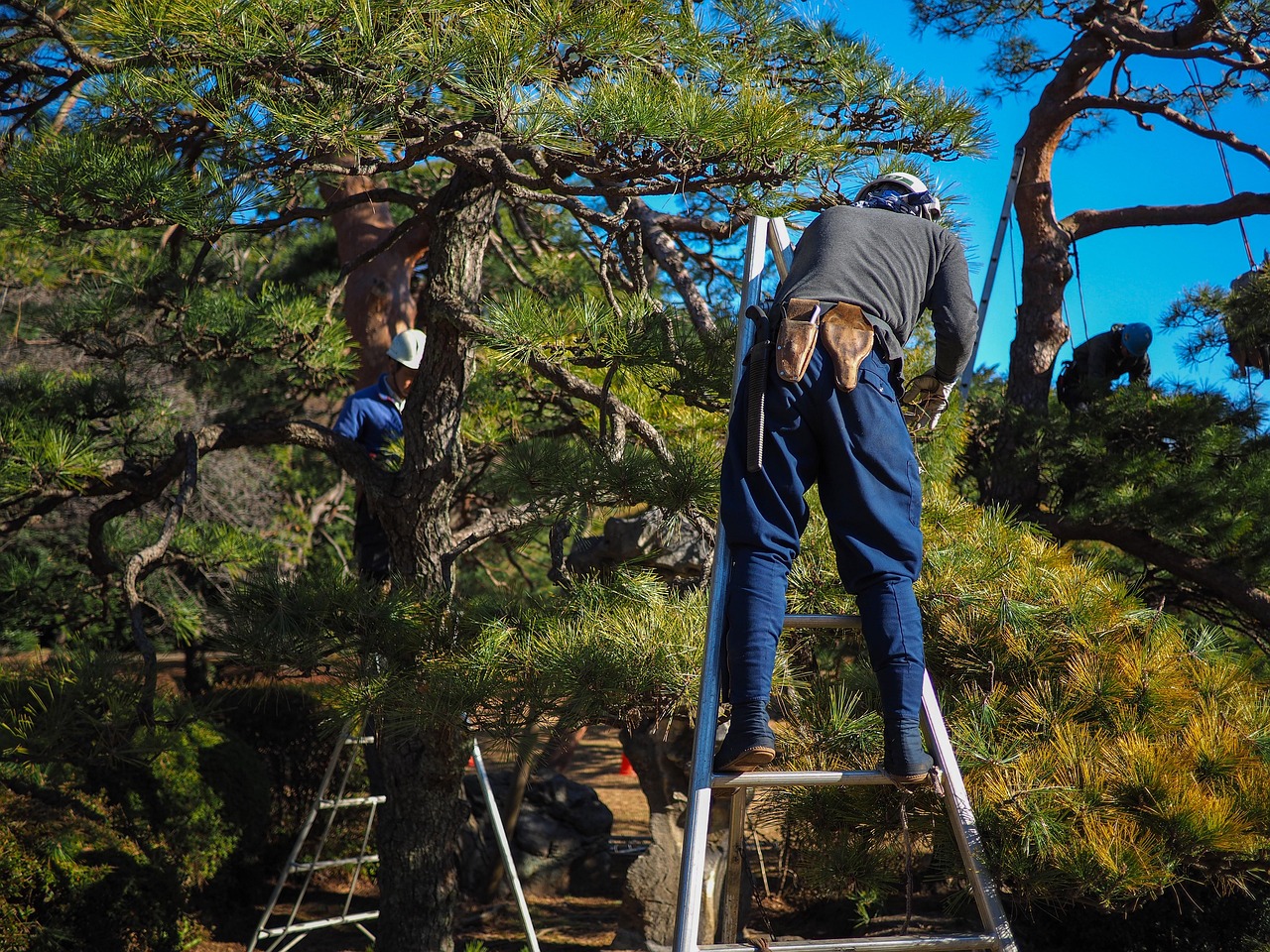
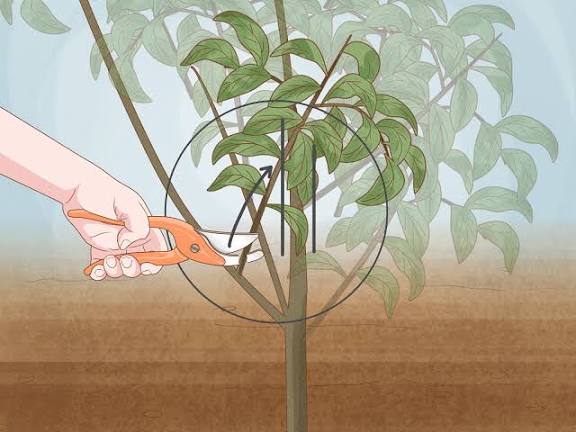
Pruning is another important part of maintaining healthy trees. Removing dead, damaged, or diseased branches helps prevent potential hazards and encourages better growth. Proper pruning can also improve airflow through the canopy, allowing sunlight to reach more areas of the tree. However, excessive cutting can weaken a tree and make it more vulnerable to pests and environmental stress. It is important to use appropriate pruning techniques and choose the right season for each tree species. Large branches and complicated pruning jobs should be handled by experienced tree care professionals.
Soil quality also has a major influence on tree health. Trees depend on healthy soil for essential nutrients, oxygen, and moisture. Compacted soil can restrict root development and prevent water from reaching deeper layers. Adding organic mulch around the base of a tree can help maintain soil moisture, regulate temperature, and reduce competition from weeds. Mulch should be spread evenly while keeping a small gap around the trunk to prevent excessive moisture buildup and potential decay.
Another important responsibility is identifying signs of tree diseases and pest infestations. Discolored leaves, unusual spots, cracked bark, premature leaf loss, and dying branches may indicate underlying problems. Some pests damage leaves, while others attack the trunk or root system. Early identification makes treatment easier and can prevent problems from spreading to nearby trees. Regular inspections allow property owners to notice changes before they become serious.
Seasonal maintenance is equally valuable. Spring is generally a suitable time to inspect new growth, remove winter damage, and check for early signs of disease. During summer, attention should be given to watering and heat protection. Autumn provides an opportunity to clear fallen leaves, inspect branches, and prepare trees for colder temperatures. In winter, property owners can look for structural damage and identify branches that may become dangerous during storms.
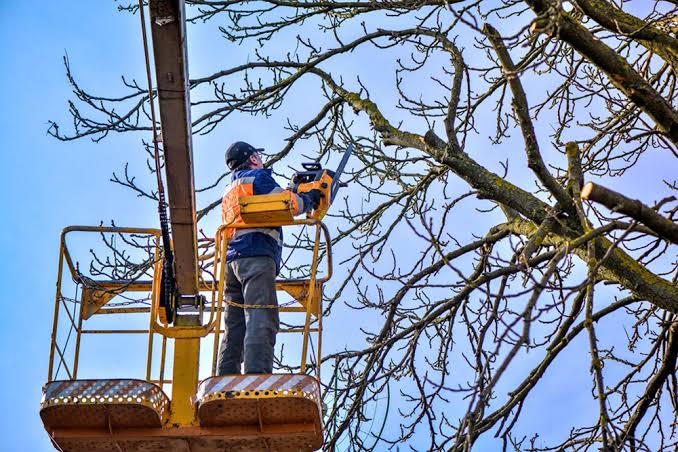
Professional tree care services can make a significant difference when dealing with mature trees, storm damage, and complicated maintenance requirements. Trained arborists understand tree biology and can recommend suitable treatments based on the species, age, and condition of each tree. They can also identify structural weaknesses that may not be obvious to property owners. Hiring qualified professionals for dangerous pruning, tree removal, or emergency work can help protect people and surrounding structures.
Ultimately, proper tree care is a long-term investment in the beauty, safety, and environmental quality of any property. Consistent watering, careful pruning, healthy soil management, and regular inspections help trees remain strong for many years. By giving trees the attention they need throughout every season, property owners can enjoy healthier landscapes while supporting a greener and more sustainable environment.