Healthy trees are one of the most valuable features of any outdoor space. They provide natural shade, improve the appearance of landscapes, create habitats for wildlife, and contribute to cleaner air. Whether growing in a residential garden, commercial property, or public park, trees need consistent attention to remain strong and attractive. Understanding basic tree care practices can help property owners prevent common problems and enjoy beautiful landscapes for generations.
Choosing the right location is an important first step when planting a new tree. Different species have different requirements for sunlight, soil conditions, available space, and moisture. Before planting, it is worth considering how large the tree may become and whether nearby buildings, sidewalks, fences, or utility lines could interfere with its growth. Giving a tree enough room to develop naturally reduces future maintenance problems and supports a healthier root system.
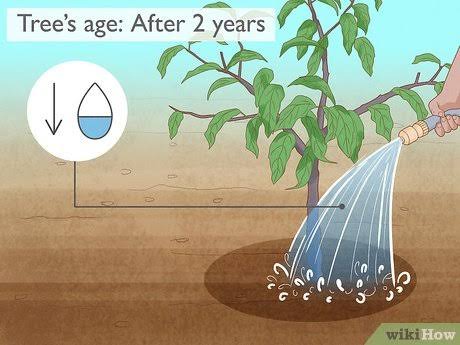
Proper watering is essential, especially during the early stages of growth. Newly planted trees need sufficient moisture to establish their roots in the surrounding soil. However, watering too frequently can be just as harmful as allowing the soil to become completely dry. Checking soil moisture before watering helps prevent unnecessary saturation. During extended periods of hot weather, additional watering may be necessary to protect trees from drought stress.
Mulching is another simple technique that offers several benefits. A layer of organic mulch around the base of a tree helps retain moisture, control weeds, and regulate soil temperature. Materials such as shredded bark, wood chips, and composted leaves can gradually improve soil quality as they break down. Mulch should not be piled directly against the trunk because excessive moisture around the bark can encourage rot and attract certain pests. Keeping the root flare visible is an important part of proper mulching.
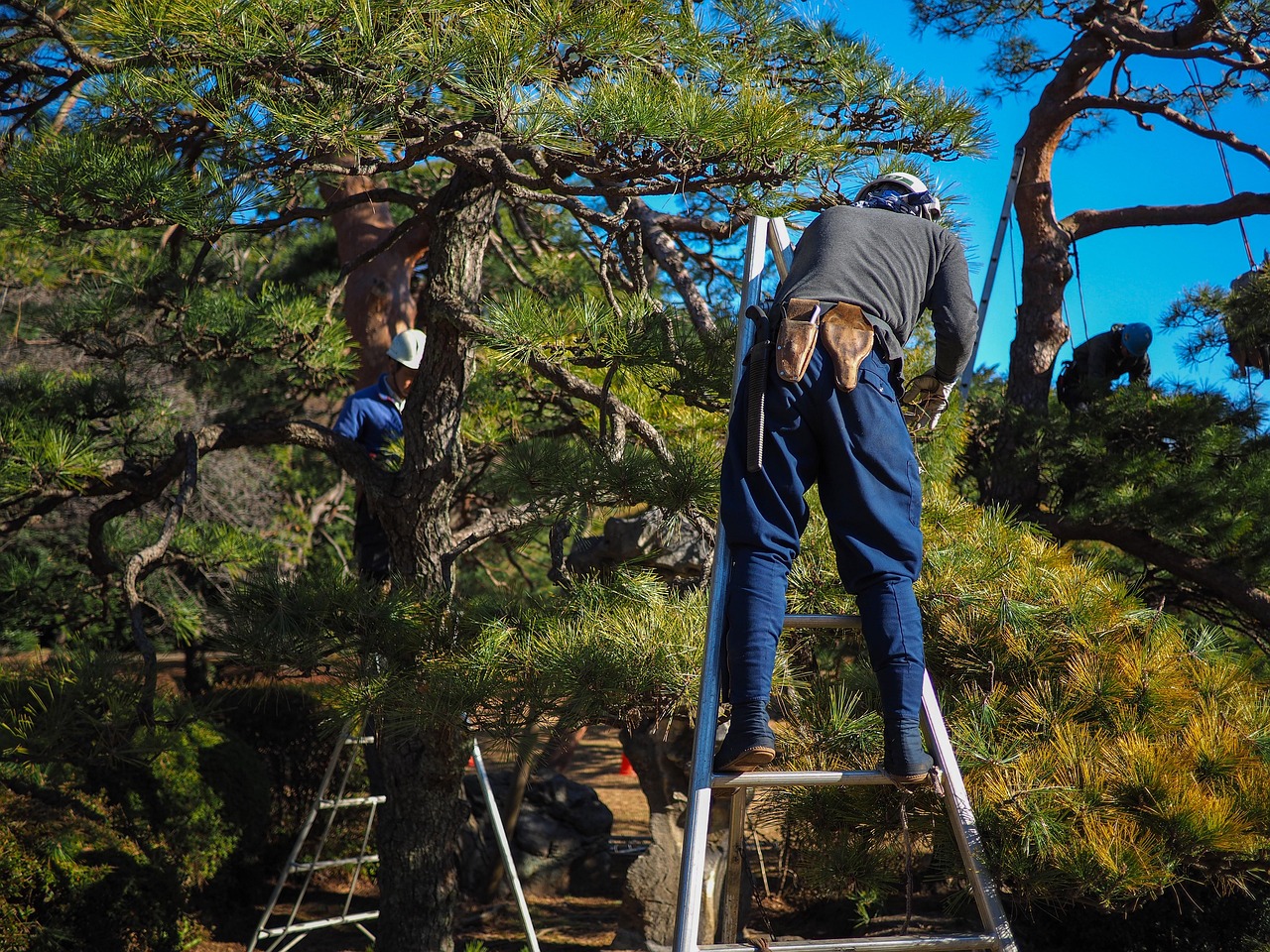
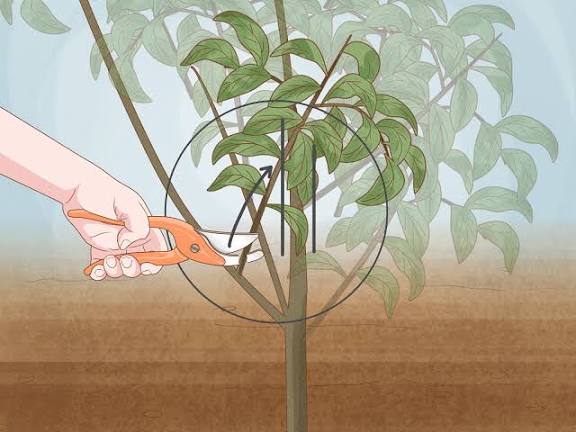
Regular pruning helps maintain a tree’s structure and overall appearance. Dead, broken, and diseased branches should be addressed before they create larger problems. Removing selected branches can also improve airflow and reduce the risk of limbs interfering with nearby structures. However, pruning should be performed carefully because removing too much foliage can place unnecessary stress on the tree. Using clean, sharp tools and following appropriate pruning practices helps support healthy recovery.
Pest and disease management should also be included in every tree maintenance routine. Insects, fungi, and bacterial infections can affect different parts of a tree, including its leaves, branches, trunk, and roots. Changes in leaf color, unusual growth patterns, damaged bark, and premature leaf dropping may indicate a developing problem. Inspecting trees regularly makes it easier to recognize warning signs and seek professional advice when necessary. Early treatment can sometimes prevent the need for expensive corrective work.
Weather protection is particularly important for trees growing in areas that experience strong winds, heavy rainfall, snow, or extreme temperatures. Storms can break weak branches, damage trunks, and expose problems within the root system. Before severe weather seasons, property owners should inspect mature trees for visible structural weaknesses. Professional assessments can help determine whether particular branches require attention or whether additional safety measures are necessary.
Tree care also involves understanding the importance of healthy root systems. Roots provide stability and absorb the water and nutrients needed for growth. Construction activities, heavy vehicles, excessive digging, and soil compaction can damage roots even when the visible parts of a tree appear healthy. Avoiding unnecessary disturbance around the root zone can help preserve long-term tree health.
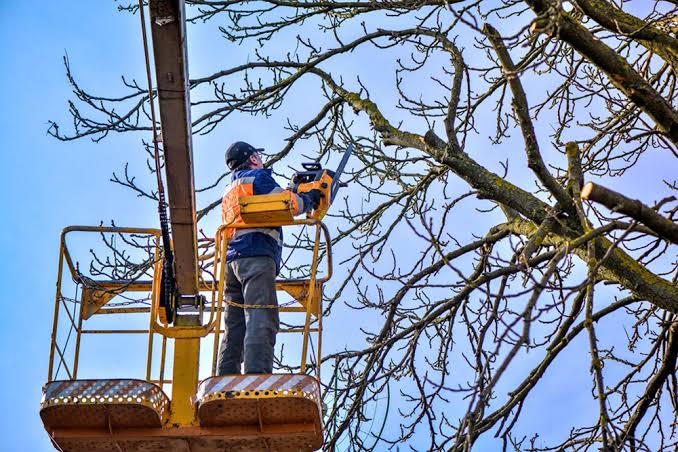
For large or potentially hazardous trees, professional maintenance is often the safest option. Qualified arborists can evaluate tree conditions, recommend suitable pruning methods, identify diseases, and manage difficult removal projects. Their knowledge helps property owners make informed decisions while reducing the risks associated with complicated tree work.
Maintaining healthy trees does not require complicated routines, but it does require consistency. Careful planting, appropriate watering, proper mulching, regular inspections, and responsible pruning all contribute to stronger growth. With a little attention throughout the year, property owners can protect their trees, improve their outdoor spaces, and create a healthier environment for the future.