I work as a residential landscaping designer in Vancouver, British Columbia, where I help homeowners transform ordinary outdoor areas into attractive and functional spaces. Over the years, I have worked on small backyard renovations, modern garden layouts, sloping properties, and outdoor entertainment areas. Every property has different requirements, so I prefer to understand the space before recommending plants, paving, or decorative features. Vancouver’s rainy winters and mild summers also influence many of my design decisions.
Understanding the Property Before Designing
I always begin by examining the property’s existing layout. I look at the size of the garden, sunlight exposure, soil conditions, drainage, and access points. These details help me understand which improvements will provide the greatest benefit. A design that looks impressive on paper may not work well if it ignores the property’s natural conditions.
Many Vancouver homeowners have limited backyard space. I often recommend dividing smaller gardens into practical sections rather than filling the entire area with decorative features. A compact seating area, a narrow planting bed, and a clear walking pathway can make a small yard much more comfortable. I also consider how the garden connects with the home’s interior.
Last spring, I worked with a homeowner who wanted to improve an unused backyard. The property had an uneven lawn, an old wooden fence, and very little seating space. I suggested introducing a small patio, replacing damaged sections of fencing, and adding low-maintenance plants around the edges. The result created a more welcoming outdoor environment without requiring unnecessary construction.
Selecting Suitable Plants and Garden Features
Plant selection plays a major role in the appearance and long-term maintenance of a garden. Vancouver’s climate supports many attractive evergreen shrubs, flowering plants, ornamental grasses, and ground covers. However, I never choose plants based on appearance alone. I first consider sunlight, soil moisture, available growing space, and the mature size of each variety.
For homeowners researching professional landscaping services, I recommend exploring Landscaping Design Vancouver for ideas and assistance with planning attractive outdoor spaces. I believe professional planning can help avoid common mistakes involving plant placement, drainage, and material selection. Before approving a project, I would discuss the proposed design, expected maintenance, and construction requirements. This makes it easier to understand what the finished garden will look like.
I often combine evergreen shrubs with seasonal flowering plants to create interest throughout the year. Evergreen varieties maintain structure during colder months, while flowering perennials introduce colour during spring and summer. Ornamental grasses can also add movement and texture to suitable garden areas. I leave enough space between plants because overcrowding can create maintenance problems as they mature.
Creating Comfortable Outdoor Living Areas
A well-planned patio can change how homeowners use their outdoor space. I usually ask whether the family prefers outdoor dining, relaxing, entertaining guests, or simply enjoying the garden. Their answers help me determine the patio’s location, dimensions, and furniture arrangement. I also consider sunlight and privacy before finalising the design.
Concrete pavers are a popular option because they are available in different shapes, colours, and finishes. Natural stone can provide a more traditional appearance, while timber decking may suit certain modern properties. I consider durability, maintenance, installation requirements, and slip resistance before recommending any material. Vancouver’s wet weather makes surface selection particularly important.
I also pay attention to pathways connecting different sections of the property. A comfortable route between the kitchen, patio, and garden entrance makes everyday activities easier. I prefer pathways that are wide enough for convenient movement without taking too much space away from planting areas. Small layout improvements can make a noticeable difference.
Improving Privacy and Garden Appearance
Privacy is another common requirement in residential landscaping projects. Many Vancouver properties are located close to neighbouring houses, making outdoor seating areas feel exposed. I usually inspect surrounding windows, fences, and sightlines before recommending privacy solutions. Depending on the available space, suitable shrubs, decorative screens, or small trees may provide effective coverage.
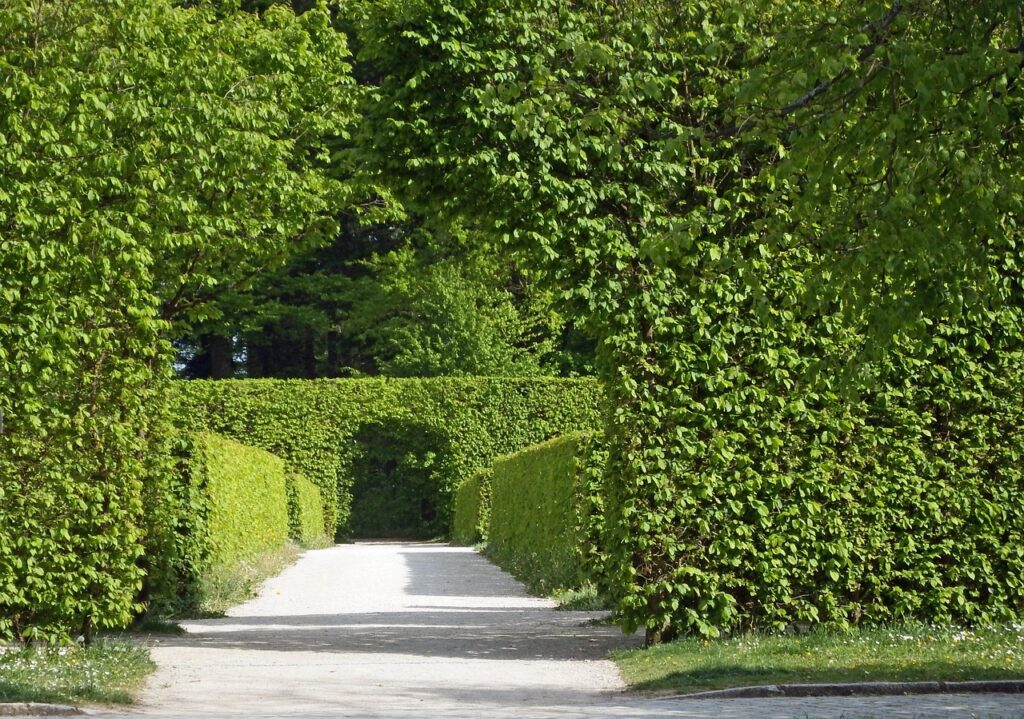
I particularly like using natural planting to soften fences and boundaries. Evergreen hedges can provide year-round screening, while climbing plants may introduce greenery without occupying much ground space. However, I always consider mature plant height and maintenance requirements. A fast-growing hedge may require frequent trimming if it is planted too close to a pathway.
Garden lighting can improve the appearance and usability of outdoor spaces after sunset. I sometimes recommend low-level pathway lighting, subtle patio illumination, and carefully positioned garden fixtures. These additions can create a comfortable atmosphere without making the property excessively bright. Outdoor electrical installations should always use suitable equipment and qualified professionals.
Managing Drainage and Vancouver Weather
Rainwater management is one of the most important parts of my landscaping planning process. Vancouver receives considerable rainfall during the cooler months, and poorly managed water can damage lawns, planting beds, and paved surfaces. I inspect the property’s existing slopes and drainage points before recommending major improvements. Areas where water regularly collects deserve particular attention.
Some gardens have compacted soil or heavy clay that prevents water from draining efficiently. Depending on the situation, I may recommend improving the soil structure, adjusting the ground level, or installing an appropriate drainage solution. Permeable paving can also be considered where the soil and site conditions are suitable. I avoid recommending a standard solution without first understanding the property’s specific drainage requirements.
Sloping properties need additional attention because changes in ground levels can affect water movement and soil stability. Terraced planting beds, suitable steps, and professionally designed retaining walls may help create more usable space. I also consider local building requirements before suggesting structural changes. Proper planning reduces the possibility of expensive problems during construction.
Planning a Landscaping Budget
I always encourage homeowners to establish a realistic budget before starting construction. Landscaping costs can include excavation, soil preparation, drainage, paving, plants, lighting, labour, and material delivery. Properties with difficult access or uneven ground may require additional work. Having a clear budget helps me prioritise essential improvements.
For larger projects, I sometimes suggest completing the garden in stages. The first stage might include drainage improvements and a functional patio, while the second stage could introduce additional planting and decorative lighting. Privacy screens and outdoor furniture can be added later if necessary. Planning everything together from the beginning helps ensure that future improvements fit the original design.
I also recommend keeping some money aside for unexpected construction issues. Older properties may contain buried concrete, damaged drainage pipes, or unsuitable soil that becomes visible during excavation. Addressing these problems should take priority over decorative upgrades. A properly prepared garden is easier to maintain and more enjoyable to use.
Building a Garden That Lasts
I believe successful landscaping should make everyday life easier while improving the appearance of a property. My approach is to consider the local climate, available space, maintenance requirements, and the homeowner’s personal preferences before recommending a design. A beautiful patio or attractive planting scheme has little value if the garden becomes difficult to manage after a few months. I prefer practical decisions that continue delivering value over time.
Before beginning a landscaping project in Vancouver, I would carefully review the drainage arrangements, planting locations, material choices, and outdoor seating requirements. These details help create a garden that remains attractive through different seasons. Even a modest backyard can become a comfortable outdoor retreat with thoughtful planning and suitable materials.
The Duct Stories Heating and Cooling 946 Elgin Ave, Winnipeg, MB R3E 1B4 204-891-7811