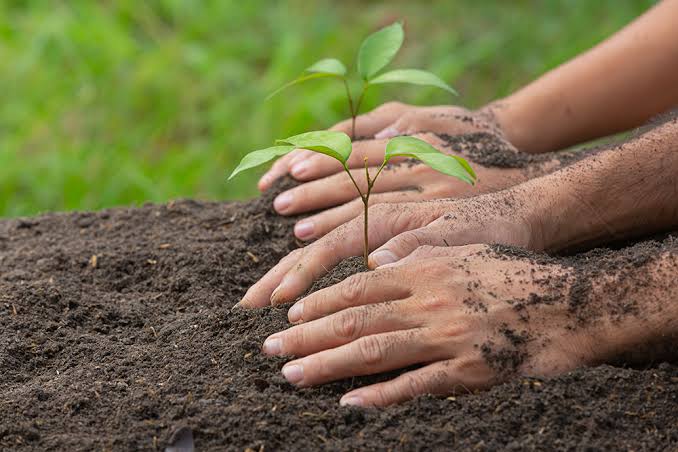
Trees play an essential role in creating a healthy, beautiful, and comfortable environment. They provide shade, improve air quality, support wildlife, and increase the visual appeal of residential and commercial properties. However, maintaining healthy trees requires more than occasional watering. Proper tree care involves regular inspections, pruning, soil management, pest prevention, and attention to changing seasonal conditions. With the right approach, property owners can protect their trees and enjoy their benefits for many years.
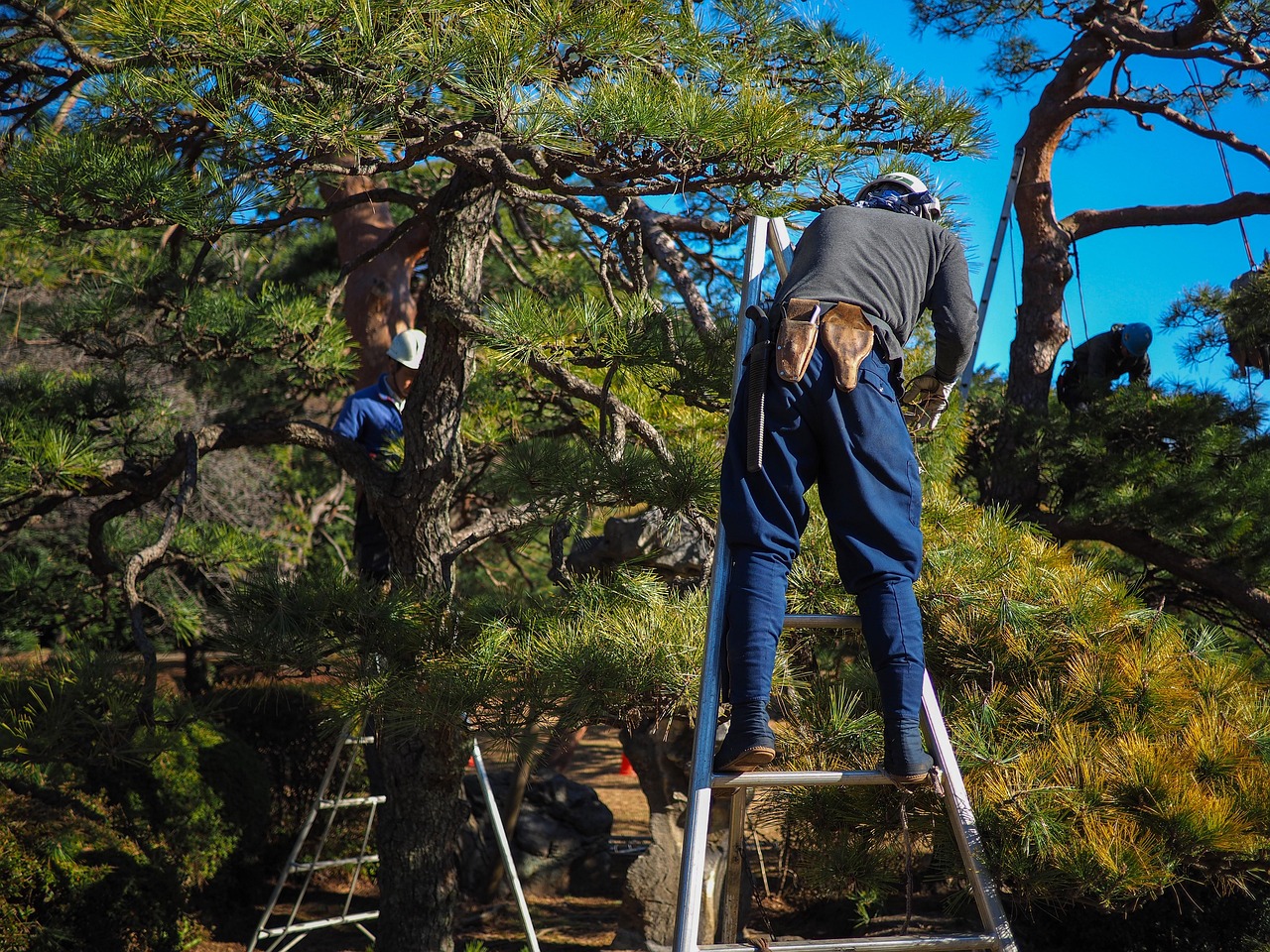
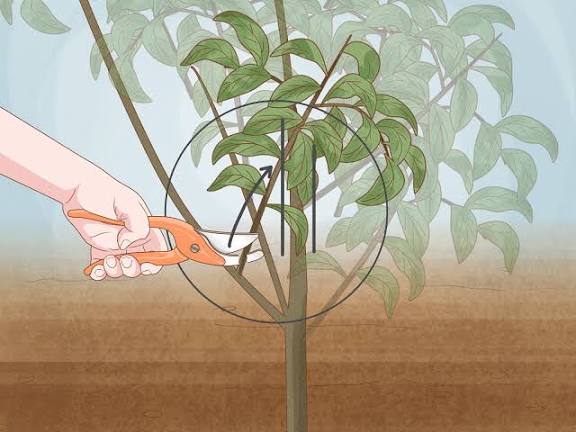
One of the most important aspects of tree care is regular pruning. Removing dead, damaged, or diseased branches helps maintain a tree’s structure and reduces potential safety risks. Overgrown branches can interfere with buildings, power lines, walkways, and nearby plants. Proper pruning also improves airflow and allows sunlight to reach different parts of the tree. However, excessive cutting can weaken a tree and affect its natural growth. It is always better to understand the specific needs of each tree before removing branches.
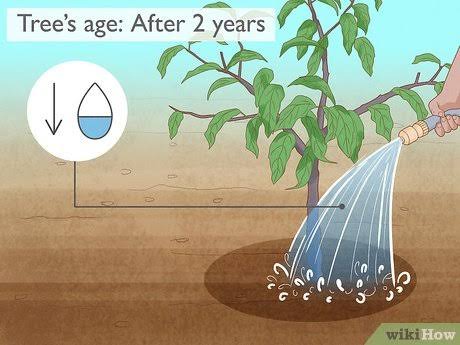
Watering is another essential part of maintaining healthy trees. Newly planted trees generally require more frequent watering because their root systems are still developing. Established trees may need additional moisture during extended dry periods, depending on their species and local climate. Deep watering encourages roots to grow further into the soil, helping trees become more resistant to changing weather conditions. Property owners should avoid overwatering because waterlogged soil can reduce oxygen around the roots and contribute to root problems.
Soil quality also has a major influence on tree health. Trees depend on healthy soil for essential nutrients, moisture, and proper root development. Compacted soil can prevent water and oxygen from reaching the roots, making it difficult for trees to grow naturally. Adding an appropriate layer of organic mulch around the base can help maintain soil moisture, regulate temperature, and reduce competition from weeds. Mulch should not be piled directly against the trunk because excessive moisture around the bark can create additional problems.
Another important responsibility is identifying pests and diseases before they cause serious damage. Discolored leaves, unusual spots, holes in bark, dying branches, and premature leaf loss can indicate that a tree is experiencing stress. Some problems develop gradually, while others can spread quickly under favorable conditions. Regular inspections make it easier to identify warning signs and determine whether professional treatment is necessary. Early attention can often prevent minor issues from becoming expensive tree removal or replacement projects.
Seasonal maintenance should also be part of every tree care routine. Spring is a useful time to inspect trees for winter damage and monitor new growth. During summer, consistent watering and pest monitoring become especially important. Fall provides an opportunity to remove damaged branches and prepare trees for colder conditions. Winter inspections can help identify structural weaknesses when branches are easier to observe without dense foliage. Different tree species have different maintenance requirements, so seasonal activities should always consider local growing conditions.
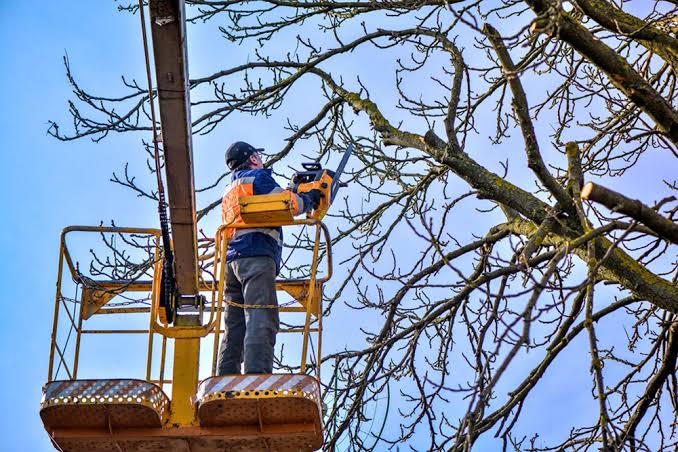
Professional tree care services can provide valuable support when dealing with large, mature, or potentially hazardous trees. Experienced arborists understand tree structure, disease identification, pruning techniques, and safe maintenance practices. They can assess potential risks, recommend suitable treatments, and help property owners make informed decisions about preserving valuable trees. Professional assistance is particularly important when branches are close to buildings or electrical lines.
Mulching, pruning, watering, and regular inspections may seem like small responsibilities, but together they make a significant difference in long-term tree health. Property owners who establish a consistent maintenance routine can reduce preventable damage and protect the appearance and value of their outdoor spaces.
Ultimately, tree care is a long-term investment in the environment and the property itself. Healthy trees contribute to cleaner air, cooler outdoor spaces, stronger landscapes, and more attractive surroundings. By providing appropriate attention throughout the year and seeking professional guidance when needed, homeowners and property managers can help their trees remain strong, healthy, and beautiful for generations.